
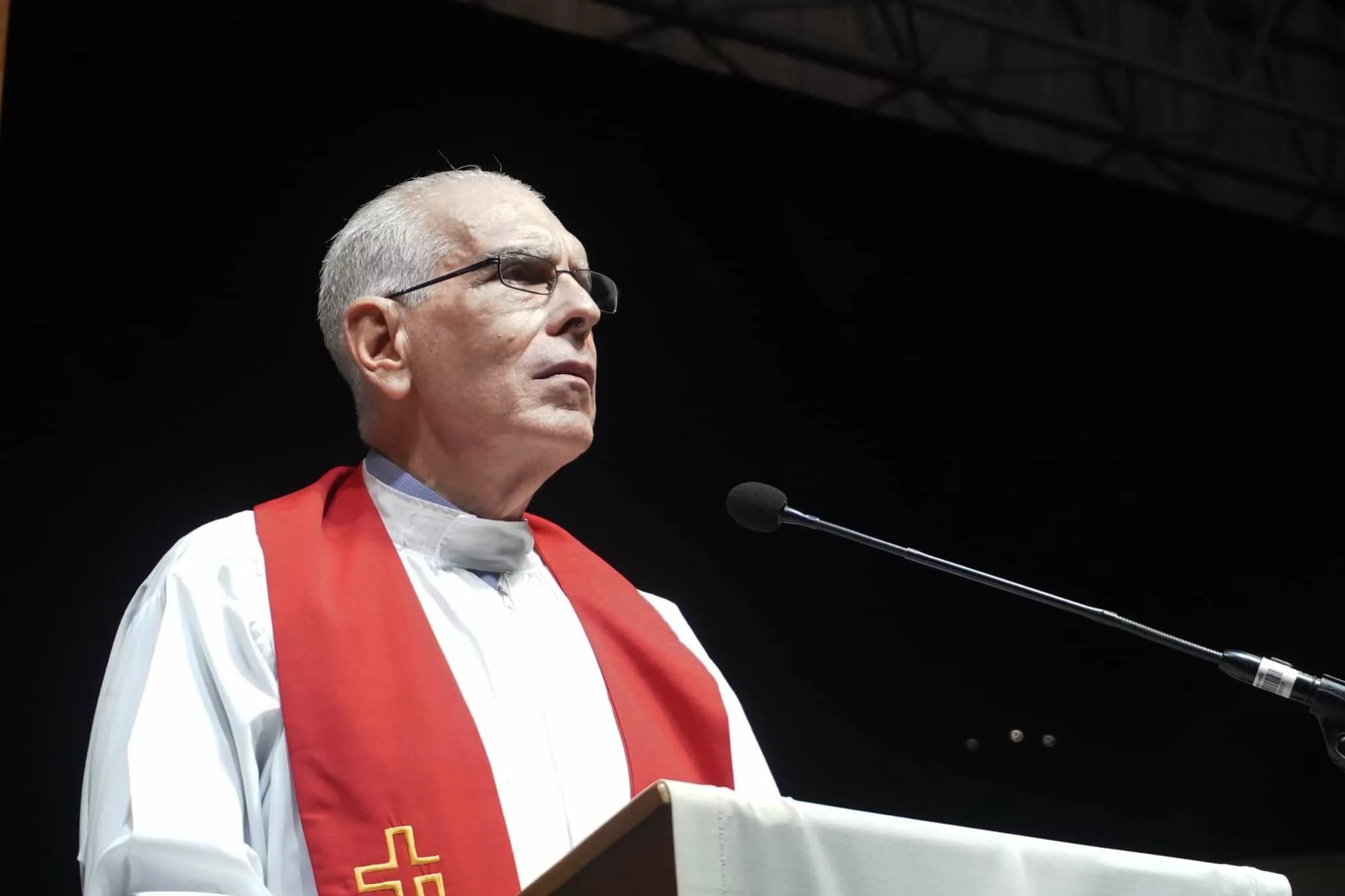
The ruling party’s loss of control in recent days is striking. A minister claimed that a journalist offered a gang leader asylum in Mexico in exchange for information about negotiations with the government (such protection falls to states, not to private individuals). Contrary to the available evidence, one of its most prominent spokespeople flatly denied any such negotiation had taken place. Another added that interviewing gang members is a crime. A third announced the capture of a gang-member priest from the Diocese of Sonsonate and offered as proof a tattooed torso dressed in priestly vestments (a typical artificial intelligence creation).
The president of the legislature indignantly rejected allegations that his son had committed negligent homicide. Other colleagues joined the protest and demanded respect and composure. The questionable conduct of the police, who inexplicably failed to process the incident as established procedure requires, did not clear up the uncertainty about the killer’s identity. The display of the alleged perpetrator is unconvincing. It bears the signs of a setup. The clumsy handling of the homicide, rather than clarifying what actually happened in the traffic accident, gives reason to suspect the guilt of the official’s son.
It is understandable to protest that he is being accused without proof, but it is also an affront to the thousands of citizens whose relatives are held in state of exception prisons with no evidence against them and no way to demand justice. The furious reaction of a father who sees his son publicly accused without reason is justified. The experience is humiliating. But so it is for all those with relatives imprisoned without proof.
The president of the legislature and his colleagues should take note. The thousands of citizens with relatives detained without justification experience the same powerlessness and humiliation. But with one important difference: officials have a voice to protest and government authorities to shield them, while everyone else is consumed by exasperation and abandonment. Since making accusations without proof has become a common and accepted practice, what happened to the legislature president’s son is hardly surprising.
Paradoxically, he can push to suspend the state of exception and thus open the way to justice for all those imprisoned without proof. The regime disregards the presumption of innocence of the accused and has also stripped them of their right to defend themselves by imposing mass trials that make it impossible to establish individual guilt and criminal liability. Not satisfied, it ordered prosecutors and judges not to verify the facts but simply to convict the accused. All of it in secret. The personal and family humiliation this official has experienced is also an opportunity to reflect on the contradiction of wanting for others what he does not want for himself and his own.
Something, it seems, is not going well inside the ruling party. Perhaps it is starting to realize that its narratives no longer land as they once did. Perhaps it is unsettled by the first signs that its rising popularity is reversing. And no wonder, when officials like its ambassador in Washington claim that most of the diaspora wants to return to “the new El Salvador.” If that were so, why haven’t they. They would avoid living in fear of being detained and deported when they least expect it. The diaspora only comes to visit, and only those with papers.
Presidential House should task someone it fully trusts — someone with leadership and, above all, good sense — to impose sanity in its ranks and halt the current drift into madness. Beyond preventing its representatives and spokespeople from saying the first thing that comes to mind, it would be wise to rein in their outbursts, ambitions, and arbitrary actions. The ruling party — its leadership, in particular — acts as if it were invincible and therefore free to act without restraint.
So far, it has counted on institutional complicity — from oversight bodies, prosecutors, and police in particular. The only obstacle it has faced is independent journalism and a handful of critical voices making themselves heard on social media. But hiding corruption in the name of national security or the privacy of those involved, and discrediting or silencing critics, are less and less effective.
By overstepping the bounds of what is permissible and trying to evade responsibility, the ruling party goes off the rails. In trying to clean up its image, it only muddies it further. The one most harmed is the regime itself, which is discrediting itself in plain sight. The crisis demands a radical change of course. As long as excess runs rampant, concealment and cover-ups will be an uphill battle and discredit will grow. If it acts in accordance with the law and with ethics, and honors its commitments to the people, there is no reason to hide what it does. If the government’s work is as wonderful as it proclaims, why hide it.
* Rodolfo Cardenal, director of the Monsignor Romero Center.
Noticias UCA: https://noticias.uca.edu.sv/articulos/devaneos-del-poder
Devaneos del poder
Rodolfo Cardenal
El descontrol del oficialismo en estos días es llamativo. Un ministro aseguró que un periodista ofreció asilo en México a un líder de las pandillas a cambio de información sobre las negociaciones con el Gobierno (semejante protección es competencia de los Estados, no de los particulares). En contra de la evidencia disponible, uno de sus voceros más destacados negó rotundamente que hubiera habido tal negociación. Otro agregó que entrevistar pandilleros es delito. Un tercero anunció la captura de un sacerdote pandillero de la diócesis de Sonsonate y adujo como prueba un torso tatuado revestido con ornamentos sacerdotales (una creación típica de la inteligencia artificial).
El presidente de la legislatura rechazó indignado los señalamientos de que su hijo había cometido homicidio culposo. Otros colegas se sumaron a la protesta y reclamaron respeto y compostura. La cuestionable actuación de la Policía, que inexplicablemente no procesó el hecho tal como ordena el procedimiento establecido, no despejó la incertidumbre sobre la identidad del homicida. La exhibición del presunto responsable no es convincente. Tiene trazas de ser un montaje. El torpe manejo del homicidio, en lugar de aclarar lo sucedido realmente en el accidente de tráfico, da pie para sospechar de la culpabilidad del hijo del funcionario.
Reclamar por acusarlo sin pruebas es comprensible, pero es también agraviar a los miles de ciudadanos con familiares detenidos en las cárceles del régimen de excepción sin evidencia en su contra y sin poder reclamar justicia. La iracunda reacción de un padre que ve cómo acusan públicamente a su hijo sin razón está justificada. La experiencia es humillante. Pero también lo es para todos aquellos con parientes encarcelados sin pruebas.
El presidente de la legislatura y sus colegas debieran tomar nota. Los miles de ciudadanos con familiares detenidos sin justificación experimentan la misma impotencia y humillación. Pero con una diferencia importante: los funcionarios tienen voz para protestar y autoridades gubernamentales que los amparan, mientras que los demás se consumen en la exasperación y el abandono. Dado que acusar sin pruebas se ha vuelto una práctica común y aceptada, no es extraño lo ocurrido al hijo del presidente de la legislatura.
Paradójicamente, este puede presionar para suspender el régimen de excepción y así abrir la posibilidad de hacer justicia a todos los encarcelados sin pruebas. El régimen desconoce la presunción de inocencia de los acusados y además los ha despojado de su derecho a defenderse con la imposición de juicios masivos que imposibilitan individualizar la culpabilidad y la responsabilidad penal. No satisfecho, ordenó a los fiscales y jueces no comprobar los hechos, sino condenar sin más a los acusados. Todo ello en secreto. La humillación personal y familiar experimentada por este funcionario es también una oportunidad para recapacitar en la contradicción de querer para otros lo que no quiere para él y los suyos.
Al parecer, algo no va bien en las interioridades del oficialismo. Tal vez comienza a realizar que sus relatos ya no inciden como antes. Tal vez lo inquietan los primeros indicios de la reversión de la tendencia al alza de su popularidad. No es para menos cuando funcionarias como su embajadora en Washington asegura que la mayoría de la diáspora desea regresar a “el nuevo El Salvador”. Si así fuera, por qué no lo ha hecho. Evitaría vivir con miedo a ser capturada y deportada en el momento menos pensado. La diáspora solo viene de visita y solo la documentada.
Casa Presidencial debiera encomendar a alguien de su entera confianza, con liderazgo y, sobre todo, con cabeza, imponer cordura en sus filas para detener la deriva de desvarío actual. Además de impedir que sus representantes y voceros digan lo primero que se les ocurra, convendría sofrenar sus arrebatos, ambiciones y arbitrariedades. El oficialismo, en particular, la cúpula, actúa como si fuera imbatible y, por tanto, habilitada para el libertinaje.
Hasta ahora, ha contado con la complicidad institucional; en particular, de controladores, fiscales y policías. El único obstáculo que ha encontrado es el periodismo independiente y unas cuantas voces críticas, que se hacen sentir en las redes digitales. Sin embargo, ocultar la corrupción en nombre de la seguridad nacional o la privacidad de los implicados, y desacreditar o callar a los críticos son cada vez menos eficaces.
Al traspasar los límites de lo permisible e intentar evadir la responsabilidad, el oficialismo desbarra. Al intentar limpiar su imagen, más la enloda. El más perjudicado es el mismo régimen, que se desacredita a ojos vistas. La crisis demanda un cambio de rumbo radical. En la medida en que el desenfreno campee a sus anchas, el disimulo y el encubrimiento serán cuesta arriba y el descrédito avanzará. Si se actúa apegado a la ley y la ética, y conforme a los compromisos adquiridos con el pueblo, no hay razón para esconder las acciones. Si el hacer gubernamental es tan maravilloso como proclama, por qué lo oculta.
* Rodolfo Cardenal, director del Centro Monseñor Romero.
Noticias UCA: https://noticias.uca.edu.sv/articulos/devaneos-del-poder