
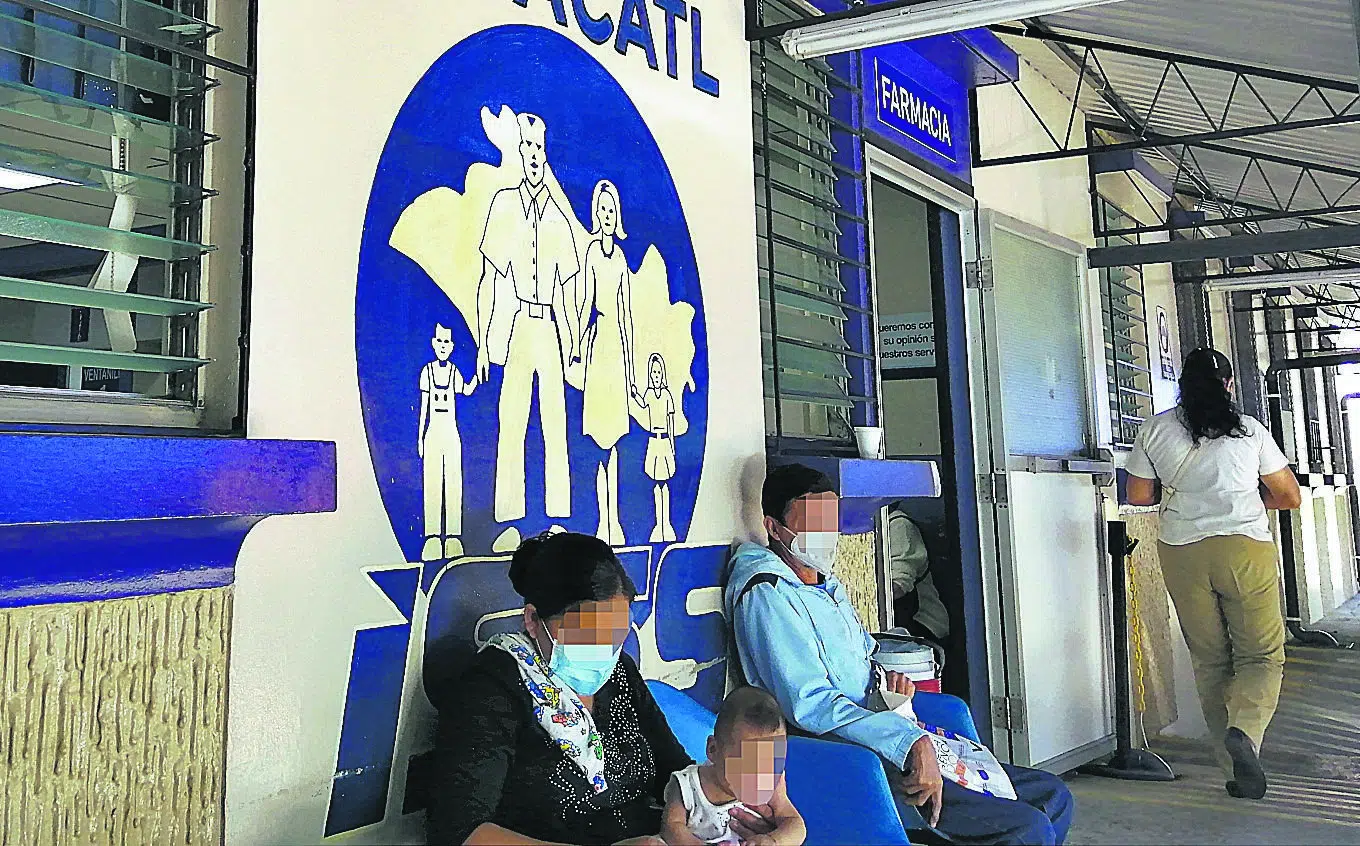
The issue of medication shortages at the Instituto Salvadoreño del Seguro Social (Salvadoran Social Security Institute, ISSS) and across the public health system remains on the public agenda. Complaints about the situation continue to pour into the Hora 10 program on Radio YSUCA.
Recently, Rafael Aguirre, secretary general of the Sindicato de Médicos Trabajadores del ISSS (ISSS Medical Workers Union, SIMETRISSS), warned on the radio program A Primera Vista that the institution is currently facing a shortage of Anastrozole. This is a drug used in the treatment of breast cancer that costs approximately 90 dollars per patient per month.
Aguirre questioned how, while in previous years the medication was supplied without interruption — even to institution officials who battled the disease — patients are now reportedly going without this critical breast cancer drug.
“The authorities sitting in the administrative tower should search their conscience and recognize that their patients, friends who have also suffered from breast cancer, currently have no Anastrozole,” he stated.
The SIMETRISSS secretary general affirmed that, in the absence of the medication, patients are forced to purchase it out of pocket or discontinue treatment altogether. “They are lying to patients. If this is happening at the Seguro Social, which supposedly has the resources, imagine what is going on at the Ministerio de Salud (Ministry of Health). That is why you see complaints on social media from people pleading for their medications,” he said.
Aguirre called on ISSS authorities to address the alleged shortage. For its part, this news outlet reached out via email to the institution’s communications unit to request an official response.
The outlet asked whether there is currently a shortage of Anastrozole, what the nationwide inventory level stands at, how many patients receive this treatment, whether delays have been recorded in procurement or distribution processes, and whether patients have in any instance been instructed to purchase the medication out of pocket. As of the publication of this article, a response remains pending.
Pacientes con cáncer de mama no estarían recibiendo Anastrozol, advierte sindicato del ISSS
El tema del desabastecimiento de medicamentos en el Instituto Salvadoreño del Seguro Social (ISSS) y en el sistema público de salud continúa en la agenda pública. En el programa Hora 10 de radio YSUCA continúan llegado denuncias sobre esta situación.
Recientemente, Rafael Aguirre, secretario general del Sindicato de Médicos Trabajadores del ISSS –SIMETRISSS-, advirtió en el programa radial A Primera Vista que actualmente habría escasez del medicamento Anastrozol en la institución. Se trata de un fármaco utilizado en el tratamiento del cáncer de mama, cuyo costo mensual ronda los 90 dólares por paciente.
Aguirre cuestionó que, mientras en años anteriores el medicamento fue suministrado sin interrupciones —incluso a funcionarias de la institución que enfrentaron esta enfermedad—, actualmente, según el líder médico, pacientes no estarían recibiendo ese medicamento clave para el cáncer de mama.
“Esa autoridad que está en la torre administrativa debería ponerse la mano en el corazón y saber que sus pacientitas, amigas que también han sufrido de cáncer de mama en este momento no tienen Anastrozol”, manifestó.
El secretario general de SIMETRISSS afirmó que, ante la falta del medicamento, las pacientes se ven obligadas a comprarlo por su cuenta o suspender el tratamiento. “Al paciente le están mintiendo. Si en el Seguro Social esto está pasando, que se supone tenemos los recursos, imagínate cómo está el Ministerio de Salud. Por eso ves quejas en redes sociales de personas pidiendo sus medicamentos”, expresó.
Aguirre hizo un llamado a las autoridades del ISSS para que atiendan el presunto problema de desabastecimiento. Por su parte, este medio gestionó vía correo electrónico la postura oficial de la institución a través de la unidad de comunicaciones.
Se consultó si existe actualmente desabastecimiento de Anastrozol, cuál es el nivel de inventario a nivel nacional, cuántas pacientes reciben este tratamiento, si se ha registrado retrasos en los procesos de compra o distribución y si en algún caso se ha indicado a pacientes adquirir el medicamento por su cuenta. Al cierre de esta nota, se está a la espera de respuesta.