
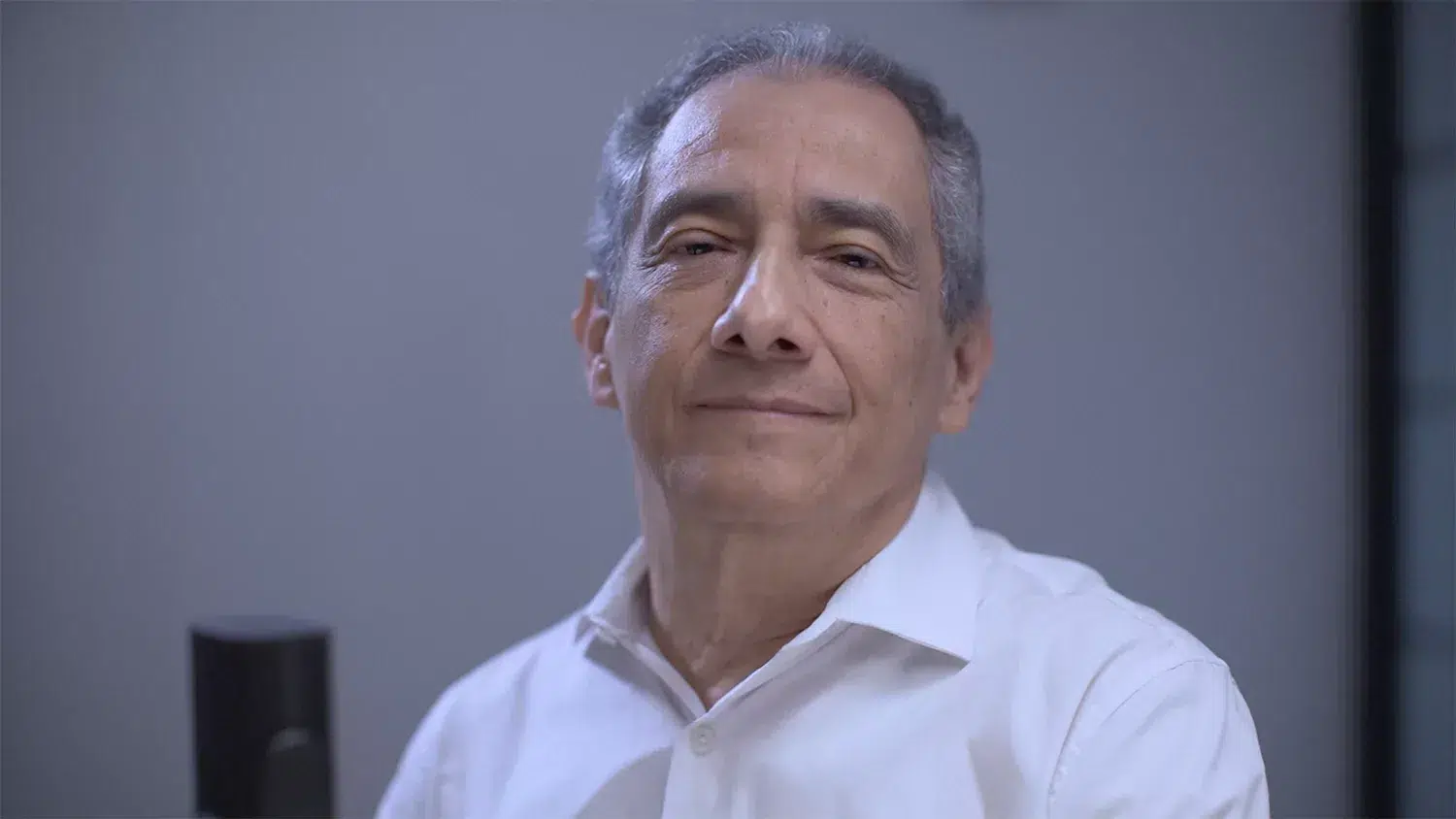
In El Salvador, at a historic moment of assaults on democracy, abuse of power, and human rights violations—where the majority of religious leaders have chosen the whisper of convenience or complicit silence in the face of power—the figure of Mario Vega emerges as a historical anomaly. His stance is not political in the partisan sense; it is prophetic in the biblical sense: the denunciation of the strong who oppress the weak.
The Bukele regime has constructed a civil religion wherein the leader is infallible. In the face of this, Vega reclaims the Christian vision of justice that the system attempts to erase. While the regime wields the Bible to justify punishment, Vega uses it to remind us that God desires “mercy, not sacrifice.” His defiance lies in reminding those in power that above the State there exists a moral law that does not countenance the trampling of the innocent.
By denouncing the nearly 500 deaths, the torture, and the imprisonment of the innocent, Vega positions himself alongside prophets like Amos or Isaiah. He does not seek to ingratiate himself with the herd; he seeks to remain faithful to the truth. He refuses to let the country forget the disappeared or those maimed in its prisons. He has transformed his pulpit into a registry of the human dignity that the regime attempts to pulverize within its concrete stomach, and into a platform for unmasking modern idols.
To be a prophet under an oppressive regime carries a price: digital harassment, slander, and physical danger. Yet his example teaches us that true faith is not the kind that seeks Caesar’s blessing, but the kind that has the courage to tell Caesar he is naked. He is the antithesis of “art-washing”: if Shakira monetizes wounds, Vega heals them by naming them and demanding justice for them.
Senior Pastor Vega possesses the authority of truth. There are two kinds of pastors: those who tell you everything is fine so you may sleep undisturbed, and those who tell you the truth so you will awaken. The latter are the ones who keep the spark of freedom and justice alive.
Vega has understood that faith in Jesus of Nazareth, at its core, is resistance to evil. He does not turn faith into a pretext for indifference. His faith drives him to outrage in the face of injustice. It matters nothing to Senior Pastor Vega how great the giant may be—truth always has a sling. He does not fear standing in the minority when he stands in the right. While the fractured herd applauds mass incarceration, the prophet understands the weeping of the mother searching for her innocent son. That is the true prophet: the one who, in times of tyrants, performs the most spiritual act of all—calling things by their name: bread, bread; and crime, crime.
El Independiente: https://www.elindependiente.sv/2026/02/17/la-voz-en-el-desierto-mario-vega-y-el-coraje-de-la-profecia/
La voz en el desierto: Mario Vega y el coraje de la profecía.
En El Salvador, en un momento histórico de atropellos a la democracia, abuso de poder y violación a los derechos humanos, y donde la mayoría de los líderes religiosos han preferido el susurro de la conveniencia o el silencio cómplice ante el poder, la figura de Mario Vega emerge como una anomalía histórica. Su postura no es política en el sentido partidario; es profética en el sentido bíblico, la denuncia del fuerte que oprime al débil.
El régimen de Bukele ha construido una religión civil donde el líder es infalible, ante esto, Vega rescata la visión cristiana de la justicia que el sistema intenta borrar. Mientras el régimen usa la biblia para justificar el castigo, Vega la usa para recordar que Dios quiere «misericordia y no sacrificio». Su desafío radica en recordarle al poder que por encima del Estado hay una ley moral que no admite el atropello de inocentes.
Al denunciar los casi 500 muertos, las torturas y el encierro de inocentes, Vega se posiciona como los profetas Amós o Isaías. No busca «caer bien» a la manada; busca ser fiel a la verdad. No permite que el país olvide a los desaparecidos ni a los mutilados en las cárceles, ha convertido su púlpito en un registro de la dignidad humana que el régimen intenta triturar en su estómago de concreto, y desenmascarar los ídolos modernos.
Ser un profeta en un régimen opresor tiene un precio, el asedio digital, la calumnia y el riesgo físico. Sin embargo, su figura nos enseña que la verdadera fe no es la que busca la bendición del César, sino la que tiene el valor de decirle al César que está desnudo. Es la antítesis del «Art-washing»: si Shakira factura heridas, Vega las sana nombrándolas y exigiendo justicia por ellas.
El pastor Vega posee la autoridad de la verdad. Hay dos tipos de pastores: los que te dicen que todo está bien para que duerman tranquilos, y los que te dicen la verdad para que despiertes. Los segundos son los que mantienen viva la chispa de la libertad y la justicia.
Vega ha comprendido que la fe en Jesús de Nazaret, en su esencia, es resistencia al mal. No hace de la fe una excusa para ser indiferente. Su fe lo lleva a indignarse ante la injusticia. Al pastor Vega no le importa cuán grande sea el gigante, la verdad siempre tiene una honda. No teme ser la minoría cuando tiene la razón. Mientras la manada fracturada aplaude el encierro, el profeta comprende el llanto de la madre que busca a su hijo inocente, eso es el verdadero profeta. El que en tiempos de tiranos, el acto más espiritual que realizan es llamar a las cosas por su nombre: al pan, pan; y al crimen, crimen.
El Independiente: https://www.elindependiente.sv/2026/02/17/la-voz-en-el-desierto-mario-vega-y-el-coraje-de-la-profecia/