
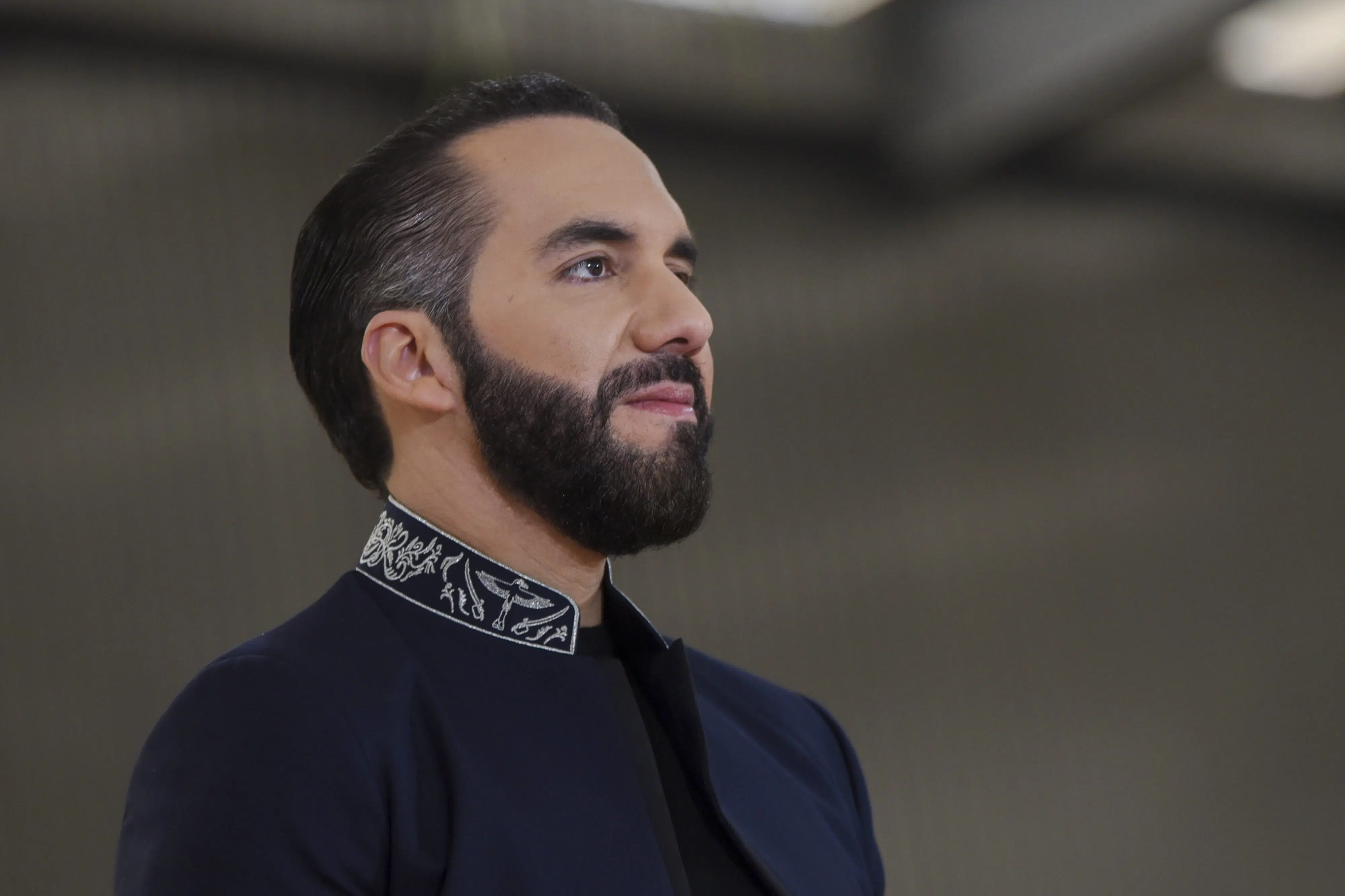
When President Bukele was questioned about human rights violations under his security policy—particularly regarding those detained in the CECOT—he responded:
“(Human rights) we all have them. Prisoners have them, criminals have them, drug traffickers have them, gang members have them […] they have rights—it disgusts me, but they have them […] But what I do not understand is why (human rights organizations) focus on the rights that those people have.”
It is deeply troubling that a head of state would express “disgust” at the rights that protect other human beings, even those who have committed crimes. More alarming still is that he fails to grasp the very function of human rights organizations within a rule-of-law framework.
Explaining this to Bukele may seem difficult, even futile, but it remains necessary.
Human rights organizations exist to protect people’s lives and dignity against abuses of state power. They were not created to reward or justify criminals, but to demand limits on power, respect for due process, and humane treatment for all. Because today the targets are those deprived of their liberty; but tomorrow they will be those who investigate and expose corruption, those who demand transparency and accountability, or simply those branded as opponents who prove inconvenient for the government. It could be you, it could be me, it could be our children.
Bukele also distorts the truth when he reduces the work of human rights organizations to the defense of detainees. These very organizations have stood by and protected victims of gangs for years when the State proved incapable of responding: families of the disappeared, women subjected to violence, displaced communities, and young people trapped in contexts of brutality.
The “disgust” the president expresses toward the rights of detainees not only contradicts the believer image he now insists on projecting, but should alarm us all as citizens.
If the God whom Bukele publicly thanks for making his improvised security plan work is the same God in whom we Christians believe, then he should recognize even among those in prison “the inalienable dignity of the human person, which has its root and its guarantee in God’s creative design” (cf. No. 36, Compendium of the Social Doctrine of the Church).
But this is not the case. That is why he finds it aberrant that everyone has rights, and why his attempt to instrumentalize the Creator rings so hollow and repugnant.
Beyond any ethical or religious foundation, there exists a universal legal framework grounded in the International Bill of Human Rights and other treaties that obliges States to respect the rights of all persons without discrimination. These are not concessions granted by those in power; they are legal obligations.
Nevertheless, to Bukele and his accomplices in the other branches of government, any rights invoked by those who oppose them will seem aberrant—and, in return, they threaten them with prison as their fate.
Bukele himself explained at the press conference that the gangs seized power in the country step by step through violence, fear, and the State’s failure to respond. Now the one wielding violence and fear to suit his purposes is Bukele and those around him. The criminals, it turns out, merely switched sides.
LPG: https://www.laprensagrafica.com/opinion/los-derechos-que-dan-repulsion-a-bukele-20260204-0068.html
Los derechos que dan repulsión a Bukele
Cuando el presidente Bukele fue cuestionado sobre las violaciones a los derechos humanos en el marco de su política de seguridad —en particular respecto a las personas detenidas en el CECOT— respondió:
“(Los derechos humanos) todos los tenemos. Los tienen los presos, los tienen los delincuentes, los criminales y los narcos, los tienen los pandilleros […] tienen derechos, me da repulsión, pero los tienen […] Pero yo lo que no entiendo es por qué (las organizaciones de derechos humanos) se centran en los derechos que ellos tienen”.
Resulta profundamente preocupante que un jefe de Estado exprese “repulsión” ante los derechos que amparan a otras personas, aun cuando estas hayan cometido delitos. Más grave aún es que no comprenda la función de las organizaciones de derechos humanos en un Estado de derecho.
Explicarle esto a Bukele puede parecer difícil, incluso inútil, pero sigue siendo necesario.
Las organizaciones de derechos humanos existen para proteger la vida y la dignidad de las personas frente a los abusos del poder estatal. No han sido creadas para premiar o justificar a criminales, sino para exigir límites al poder, el respeto al debido proceso y un trato humano para todas las personas. Porque hoy se abusa de los privados de libertad; pero mañana serán quienes investigan y denuncian la corrupción, quienes exigen transparencia y piden rendición de cuentas, o simplemente quienes sean señalados como opositores y resulten incómodos al gobierno. Puede ser usted, puedo ser yo y pueden ser nuestros hijos.
Bukele también falta a la verdad cuando reduce la labor de las organizaciones de derechos humanos a la defensa de las personas detenidas. Estas mismas organizaciones han acompañado y protegido durante años a víctimas de las pandillas cuando el Estado no fue capaz de responder: familias de personas desaparecidas, mujeres violentadas, comunidades desplazadas y jóvenes atrapados en contextos de violencia.
La “repulsión” que expresa el presidente hacia los derechos de los detenidos no solo contradice la imagen de creyente con la que ahora insiste presentarse, sino que debería alertarnos como ciudadanos.
Si el Dios al que Bukele agradece públicamente que su improvisado plan de seguridad funcione es el mismo en el que creemos los cristianos, entonces debería reconocer incluso entre las personas en prisión “la inalienable dignidad de la persona humana, que tiene su raíz y su garantía en el designio creador de Dios” (cfr. n.º 36, Compendio de la DSI).
Pero esto no es así. Por eso a él le parece aberrante que todos tengan derechos y suena tan falso y repugnante su intento de instrumentalizar al Creador.
Más allá de cualquier fundamento ético o religioso, existe un marco jurídico universal fundamentado en la Carta Internacional de Derechos Humanos y otros tratados, que obliga a los Estados a respetar los derechos de todas las personas sin discriminación. No se trata de concesiones del poder, sino de obligaciones legales.
No obstante, a Bukele y a sus cómplices en los otros poderes del Estado les parecerán aberrantes los derechos en los que se amparen aquellos que se les opongan; y, en cambio, los amenazan con la cárcel como destino.
Bukele bien explicó en la rueda de prensa que las pandillas se hicieron, paso a paso, con el poder en el país a través de la violencia, el miedo y la falta de respuesta del Estado. Ahora quien ejerce la violencia y el miedo de manera conveniente es él y los suyos. Así, los criminales solo cambiaron de lado.
LPG: https://www.laprensagrafica.com/opinion/los-derechos-que-dan-repulsion-a-bukele-20260204-0068.html