
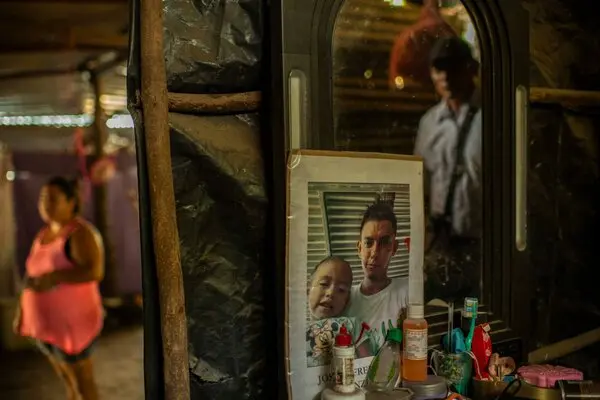
The Hidden Toll
Independent databases, assembled from family reports and forensic analyses, expose a landscape of systemic abuses and glaring opacity.
- Socorro Jurídico Humanitario (Legal Humanitarian Aid): Has documented more than 430 deaths under state custody and has submitted its findings to the International Criminal Court for a potential investigation into crimes against humanity.
- Cristosal: Reported the deaths of 261 adults and 4 minors between 2022 and July 2024, leaving 176 children orphaned.
“The scant reliability of official information makes it probable that the number of deaths is far higher,” states its report Silence Is Not an Option.
Overcrowding and Inhumane Conditions
The elevated mortality rate stems directly from overcrowding triggered by mass incarcerations. More than 87,000 people have been detained since the state of exception took effect, causing the prison system to collapse. Entities such as Amnesty International, Human Rights Watch, and International Crisis Group describe the facilities as sites of “cruel and inhumane treatment” that precipitate deaths in custody.
Among the most egregious documented violations are:
- Extreme overcrowding: Indiscriminate admissions exceed prison capacity.
- Denial of basic necessities: Rationed food and water, with restricted access to sanitation.
Health hazards: Unsanitary conditions, poor ventilation, and extreme heat lead to fainting spells and outbreaks of tuberculosis, respiratory infections, and gastrointestinal disorders.
Deaths from Violence and Neglect
The profile of the victims clashes with the official narrative that these are solely gang members. According to civil society organizations, 94 percent of the deceased had no ties to criminal networks and remained in pretrial detention.
The patterns of death fall primarily into two categories:
- Death from aggravated illness: The absence of medical care and medications, compounded by the squalor of confinement, amounts to state negligence.
- Death from direct violence: Bodies returned bearing bruises, fractures, and blows point to torture or cruel treatment at the hands of guards, or unchecked brawls.
The Official Response: Denial and Impunity
Despite international reports, the Salvadoran government mounts a staunch defense of its security policy. The Attorney General’s Office has shelved the majority of investigations into prison deaths within the framework of the state of exception.
The Inter-American Commission on Human Rights (IACHR) and the United Nations Human Rights Office have demanded unrestricted access to penitentiaries to monitor conditions, but Salvadoran authorities have offered no response.
This impunity, affirm the consulted organizations, transforms the penitentiary policy into a regime of silent punishment, where the state retains command over the statistics but not over the lives extinguished behind the walls.
Se Supo: https://sesupo.com/?p=512
Bajo Custodia Estatal: Cientos de Muertos y Torturas que Desmienten las Cifras Oficiales en El Salvador
El conteo oculto
Las bases de datos independientes, construidas con denuncias familiares y análisis forenses, revelan un panorama de abusos sistemáticos y falta de transparencia.
- Socorro Jurídico Humanitario (SJH): Ha documentado más de 430 muertes bajo custodia estatal, y ha presentado sus hallazgos ante la Corte Penal Internacional para una eventual investigación por crímenes de lesa humanidad.
- Cristosal: Reportó la muerte de 261 personas adultas y 4 menores entre 2022 y julio de 2024, dejando a 176 niños en orfandad.
“La escasa confiabilidad de la información oficial hace probable que el número de muertes sea mucho mayor”, señala su informe El silencio no es opción.
Hacinamiento y condiciones inhumanas
La alta mortalidad está directamente ligada al hacinamiento derivado del encarcelamiento masivo. Más de 87,000 personas han sido detenidas desde que entró en vigor el régimen, lo que ha colapsado el sistema penitenciario. Organismos como Amnistía Internacional, Human Rights Watch y International Crisis Group describen las prisiones como espacios de “tratos crueles e inhumanos” que facilitan muertes bajo custodia.
Entre las violaciones más graves documentadas se encuentran:
- Hacinamiento extremo: El ingreso indiscriminado sobrepasa la capacidad carcelaria.
- Falta de recursos básicos: Racionamiento de comida, agua y acceso limitado al baño.
- Riesgo sanitario: Insalubridad, mala ventilación y calor extremo provocan desmayos y enfermedades como tuberculosis, infecciones respiratorias y problemas gastrointestinales.
Muertes por violencia y negligencia
El perfil de las víctimas contradice la narrativa oficial de que se trata únicamente de pandilleros. Según organizaciones civiles, el 94 por ciento de los fallecidos no tenía vínculos con estructuras criminales y permanecía en detención provisional.
Los patrones de muerte se dividen principalmente en dos tipos:
- Muerte por enfermedad agravada: La falta de atención médica y de medicamentos, sumada a la insalubridad del encierro, constituye una negligencia estatal.
- Muerte por violencia directa: Cuerpos entregados con hematomas, fracturas y golpes indican tortura o tratos crueles a manos de custodios o por riñas sin intervención oficial.
La respuesta oficial: negación e impunidad
Pese a los informes internacionales, el gobierno salvadoreño mantiene una defensa cerrada de su política de seguridad. La Fiscalía General de la República ha archivado la mayoría de las investigaciones relacionadas con muertes en prisión dentro del marco del Régimen de Excepción.
La Comisión Interamericana de Derechos Humanos y la Oficina de Derechos Humanos de la ONU han exigido acceso sin restricciones a los centros penitenciarios para monitorear las condiciones, pero las autoridades salvadoreñas no han respondido.
La impunidad, aseguran los organismos consultados, convierte la política penitenciaria en un sistema de castigo silencioso, donde el Estado conserva el control de las cifras, pero no de las vidas que se apagan tras los muros.
Se Supo: https://sesupo.com/?p=512